Anabolic-androgenic steroids (AAS) are synthetic derivatives of testosterone, the primary male sex hormone. They bind to androgen receptors to promote protein synthesis, tissue growth, and muscle hypertrophy (anabolic effects) while promoting secondary male sexual characteristics (androgenic effects).
Chemical & Structural Categories
Anabolic steroids are categorized into three primary structural families based on their parent chemical backbone:
-
Testosterone Derivatives (17α-methylated or Esterified):
-
Key Compounds: Testosterone Cypionate, Testosterone Enanthate, Methandrostenolone (Dianabol).
-
Characteristics: Direct derivatives of native testosterone. Frequently converted into estrogen by the enzyme aromatase, which can lead to fluid retention and gynecomastia without preventative management.
-
-
Dihydrotestosterone (DHT) Derivatives:
-
Key Compounds: Oxandrolone (Anavar), Stanozolol (Winstrol), Drostanolone (Masteron), Primobolan.
-
Characteristics: Modified from DHT, a potent endogenous androgen. These compounds cannot be converted into estrogen by aromatase. They typically yield leaner physical changes with less water retention but carry higher androgenic side effects (such as male pattern hair loss and acne).
-
-
Nortestosterone Derivatives (Nandrolone / Progestin Family):
-
Key Compounds: Nandrolone Decanoate (Deca-Durabolin), Trenbolone.
-
Characteristics: Derived by removing a carbon atom at the 19th position of testosterone. They have high anabolic potency and interact with androgen receptors as well as progesterone receptors, which can alter systemic hormone feedback loops.
-

ANABOLIC STEROID
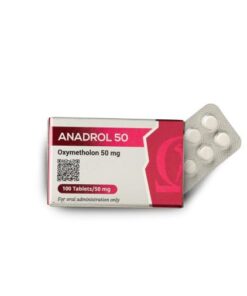
ANABOLIC STEROID
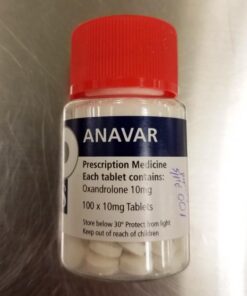
ANABOLIC STEROID
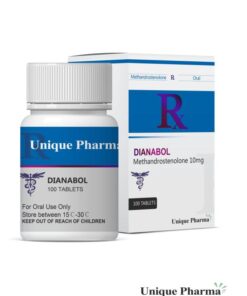
ANABOLIC STEROID

ANABOLIC STEROID